

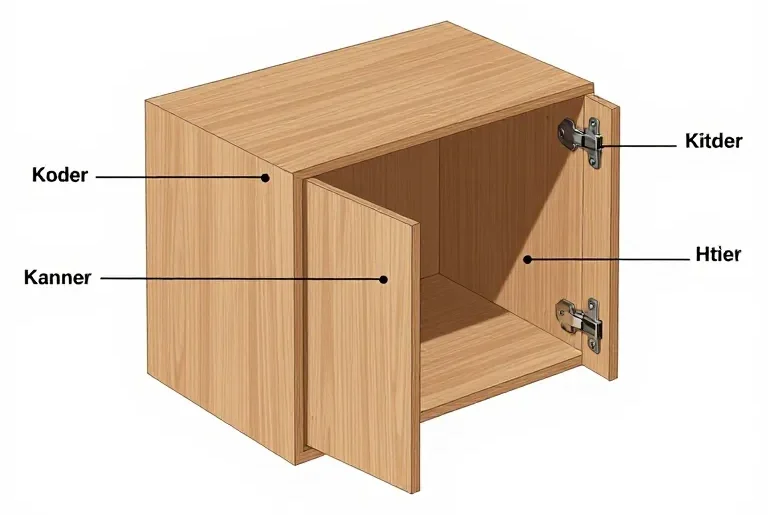
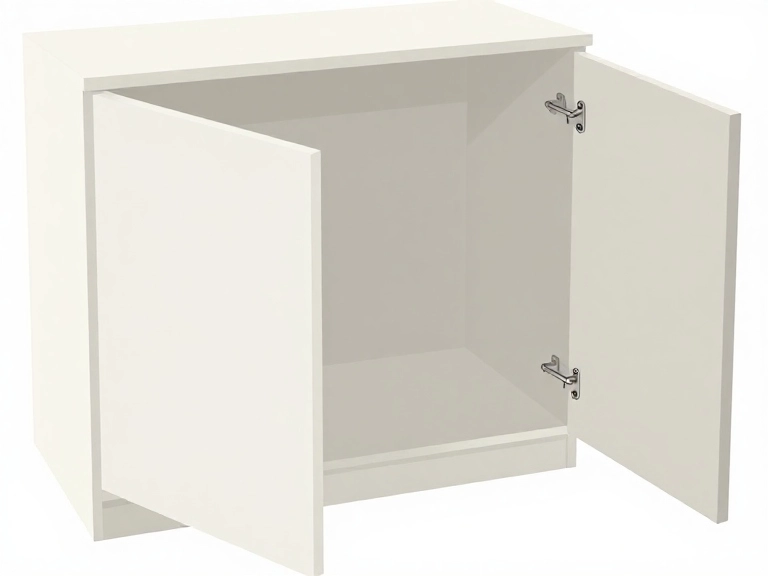
Cabinet refacing changes how your kitchen looks, not how it is built. It keeps your existing structural cabinet boxes securely in place while replacing the exterior doors, drawer fronts, visible surface skins, and hardware with fresh materials. If your current kitchen layout works well for your daily routine but the cabinet surfaces look tired, scratched, or outdated, you do not need to tear out solid wooden boxes for a messy and expensive gut renovation.
Understanding how this process works, what materials are available, and how much you should budget helps you decide if this renovation path fits your home. When you are ready to map out your budget details, take a look at our comprehensive guide on cabinet refacing costs.
What Is Cabinet Refacing
Refacing gives your kitchen a fresh visual identity without altering the heavy framework of the room. When homeowners look for ways to modernize their space without paying for a full-scale tear-out, resurfacing serves as the practical middle ground between painting and total replacement.
| What Changes During Refacing | What Stays the Same |
| Cabinet doors and drawer fronts | Main cabinet boxes attached to walls |
| Exterior matching veneer or laminate skins | Existing kitchen layout and footprint |
| Hinges and handles when updated | Plumbing lines and electrical setups |
| Pulls, knobs, and decorative hardware | Existing countertops and flooring |
How the Process Works Step by Step
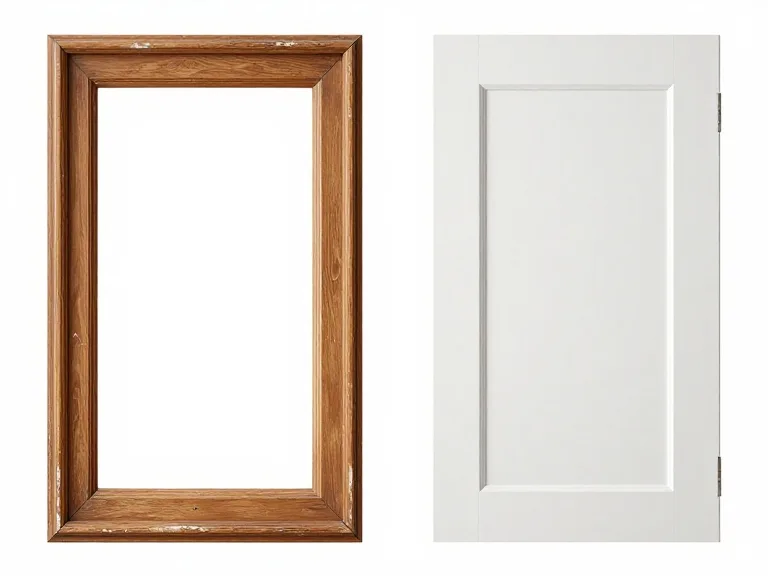
Professional installation moves much faster than a standard remodel, typically wrapping up active on-site work within 3 to 5 days, though total project turnaround can take longer depending on custom door fabrication schedules.
-
Detailed inspection and measurement: A contractor checks your cabinet boxes to verify that the structure is sturdy enough to hold new doors, taking exact measurements for custom fabrication.
-
Component removal: Old doors, drawer faces, and worn hardware are unscrewed and hauled away, leaving clean wooden boxes ready for transformation.
-
Surface preparation and cleaning: Installers thoroughly clean, sand, and degrease the remaining frame surfaces to ensure that new adhesives bond permanently.
-
Applying surface skins: Matching wood veneer sheets or durable laminate skins are glued and rolled onto the visible exterior frames and exposed side panels of the boxes.
-
Hanging new doors: Custom-built doors and drawer fronts are mounted onto the frames using concealed hinges, ensuring smooth operation.
-
Hardware installation and final alignment: New pulls, knobs, and handles go on last, and installers adjust multi-way hinges carefully so gaps remain even across every single cabinet door.
Refacing vs Refinishing vs Replacing vs Redooring
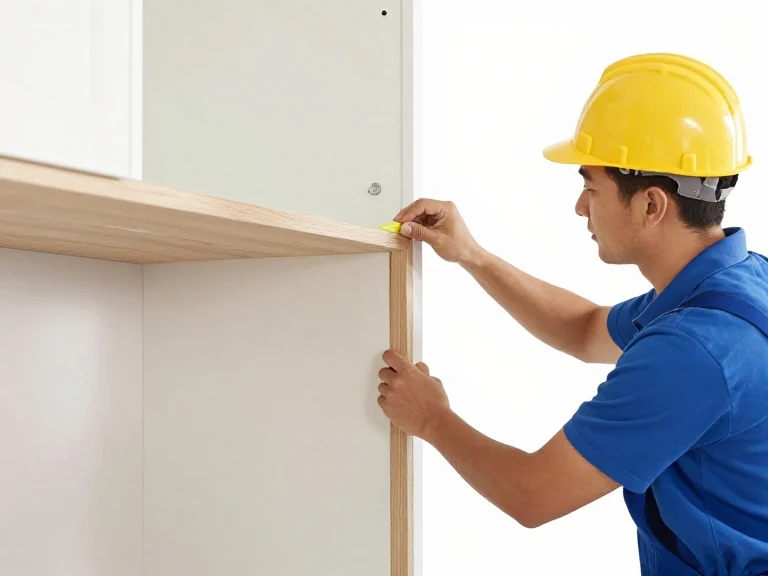
Choosing the right upgrade path depends heavily on your budget, timeline, and whether you want to change your room layout. According to 2026 data compiled from home renovation authorities like Angi and HomeAdvisor, project costs span distinct ranges.
| Upgrade Option | Average Cost Range | Typical Time | Layout Changes |
| Cabinet Refacing | $4,000 to $13,500 | 3 to 5 days | No |
| Cabinet Refinishing | $2,000 to $7,000 | 3 to 7 days | No |
| Full Replacement | $10,000 to $25,000+ | 1 to 3 weeks | Yes |
| Redooring Only | $3,000 to $6,000 | 1 to 2 days | No |
Cabinet Redooring
Redooring is a subset of refacing where you skip adding exterior veneer skins to the boxes. You only swap out the doors and drawer faces, which works great if your existing frame color already matches your new door style closely.
Refacing vs Painting
While painting or refinishing focuses strictly on sanding down your current doors and spraying a fresh coat of paint or stain over them, refacing physically swaps out the doors entirely for brand-new panels while wrapping the frames in matching skins.
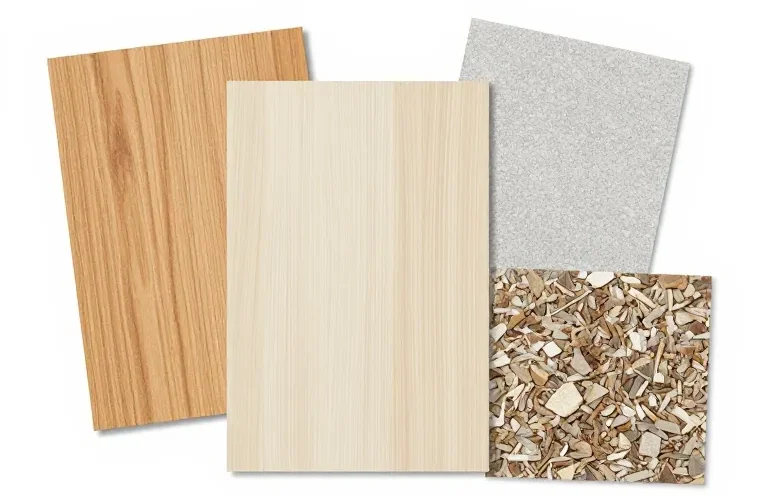
Refacing Materials
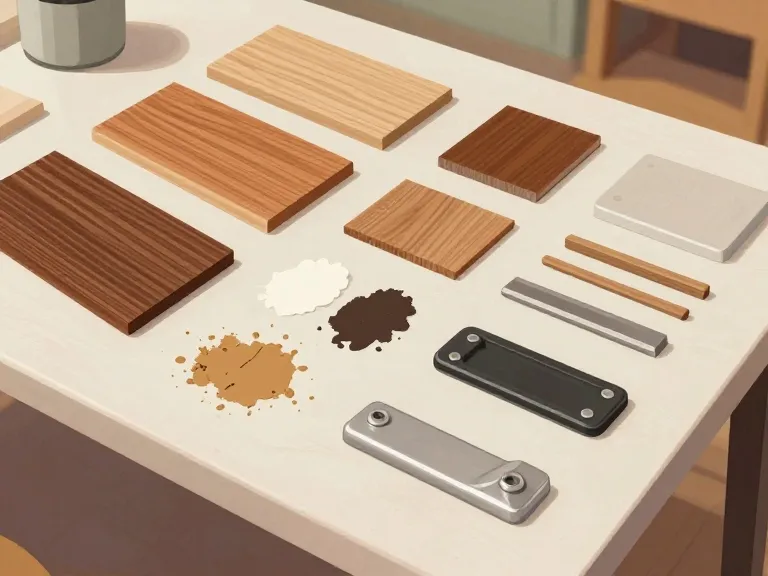
The material you choose impacts both the visual style of your kitchen and how well it handles daily wear and tear.
Wood Veneer
Real wood slices provide natural warmth and rich grain patterns. It delivers a high-end look and holds up well, though it costs more than plastic options and needs proper sealing to handle kitchen moisture. Wood veneer generally runs between $100 and $250 per linear foot. If you love natural wood textures, see our white oak kitchen cabinet ideas.
Laminate
High-pressure plastic laminates create a tough, scratch-resistant barrier. They clean easily and stay budget-friendly, making them ideal for busy family kitchens, even if they lack the organic depth of real wood. Laminate refacing typically costs between $50 and $125 per linear foot.
Thermofoil
Rigid thermofoil uses a vinyl film molded tightly over medium-density fiberboard using heat and pressure. It gives you a seamless painted look without brush strokes, though cheap versions can peel near high-heat appliances if exposed to heavy steam over time. Thermofoil ranges from $60 to $125 per linear foot.
Pros And Cons Of Cabinet Refacing
The Advantages
-
Saves money compared to ripping everything out for custom brand-new cabinets.
-
Finishes in days rather than weeks since structural boxes remain in place.
-
Avoids heavy demolition dust, drywall repairs, and construction debris.
-
Reduces renovation waste by reusing heavy underlying wooden frames.
The Limitations
-
Leaves your exact layout completely fixed so you cannot move your sink or expand an island.
-
Hides underlying structural flaws if your base boxes suffer from water damage or rot inside.
-
Requires steady hands and precise measurements to achieve a clean finish.
Why Do Refaced Cabinets Peel or Sag?
Problems usually stem from material quality or installation shortcuts. Low-quality thermofoil or weak adhesive can bubble near heat sources like ovens or coffee makers if edge banding is not properly heat-activated. Over time, cheap hinges also slip out of alignment, which you can prevent by insisting on six-way adjustable European hinges that allow quick tightening with a screwdriver.
Are Your Cabinets Good Candidates for Refacing?
Before committing money to a refacing project, check your existing kitchen setup against these criteria:
-
Are your current boxes built from sturdy plywood or thick, stable MDF rather than water-damaged, crumbling particleboard?
-
Is the interior shelving free from major sagging, rot, or mold?
-
Do you actually like where your sink, stove, and refrigerator sit right now?
If you answered yes to those points, your kitchen is a solid candidate for this upgrade.
How Much Does Cabinet Refacing Cost
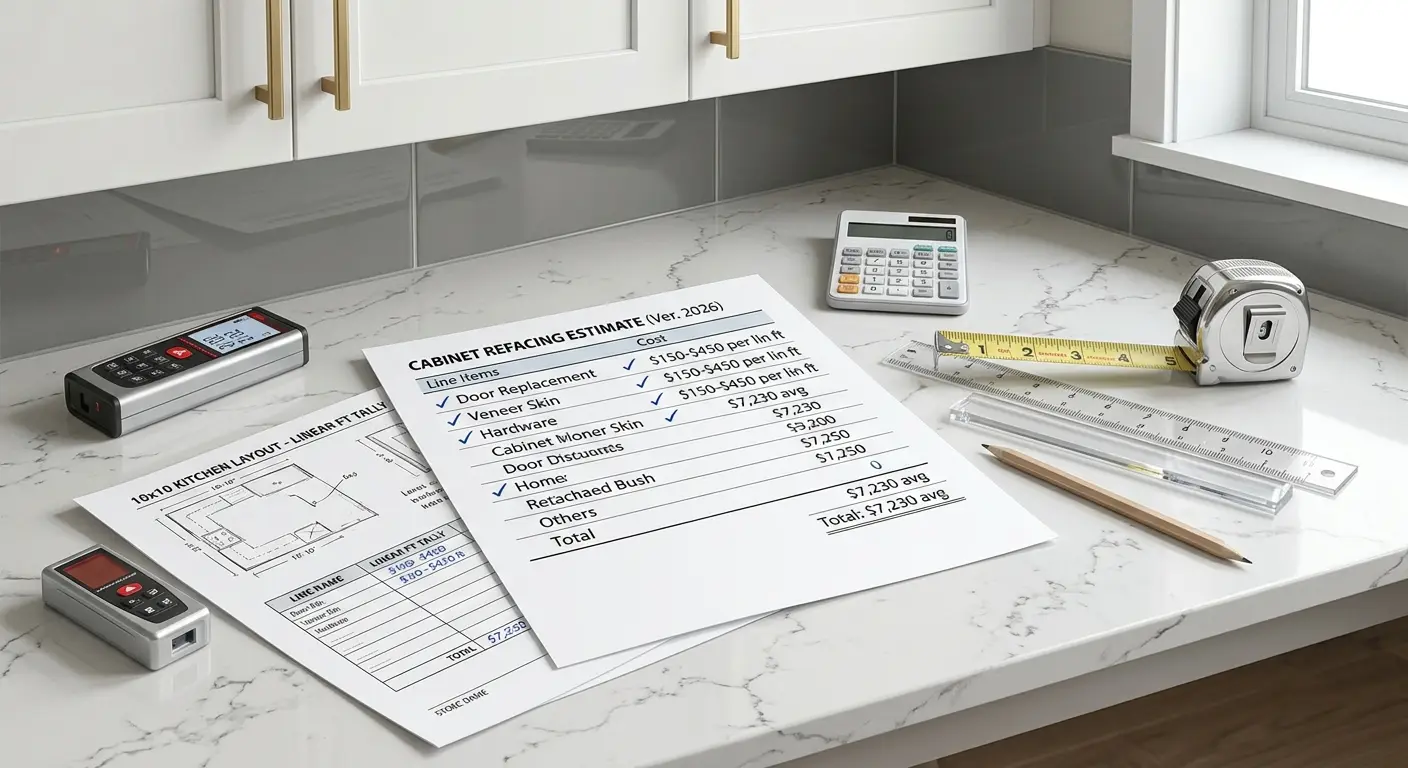
According to 2026 data from Angi and HomeAdvisor, standard professional kitchen refacing typically costs between $4,484 and $10,593, with a national average of $7,233. Contractors generally price projects by linear footage, running roughly $150 to $450 per linear foot for combined materials and labor. For a standard 10×10 kitchen layout containing about 20 linear feet of cabinetry, total expenses usually range between $3,000 and $8,000 depending on the choice of laminate versus wood veneer. Choosing basic thermofoil keeps costs on the lower end, while exotic wood veneers push totals higher. Adding custom soft-close drawer glides and premium hardware will also adjust your final estimate.
DIY vs Professional Refacing
Tackling this as a weekend project is possible if you own a router, laminate shears, and a heavy-duty roller, plus have plenty of patience for trimming edge banding. However, getting crisp, hairline seams around tricky cabinet corners takes real skill. If you want a factory-smooth finish with a solid workmanship warranty, hiring a local professional usually saves you from costly measuring mistakes.
Is Cabinet Refacing Worth It?
Refacing makes total sense when your cabinet boxes are structurally solid, your layout functions well for your cooking habits, and you want a fresh look without draining your savings account. Skip refacing and look into a full replacement if your boxes are water-logged, your layout feels cramped and unusable, or you want to completely reconfigure your kitchen space.
Kitchen Style Ideas and Inspiration
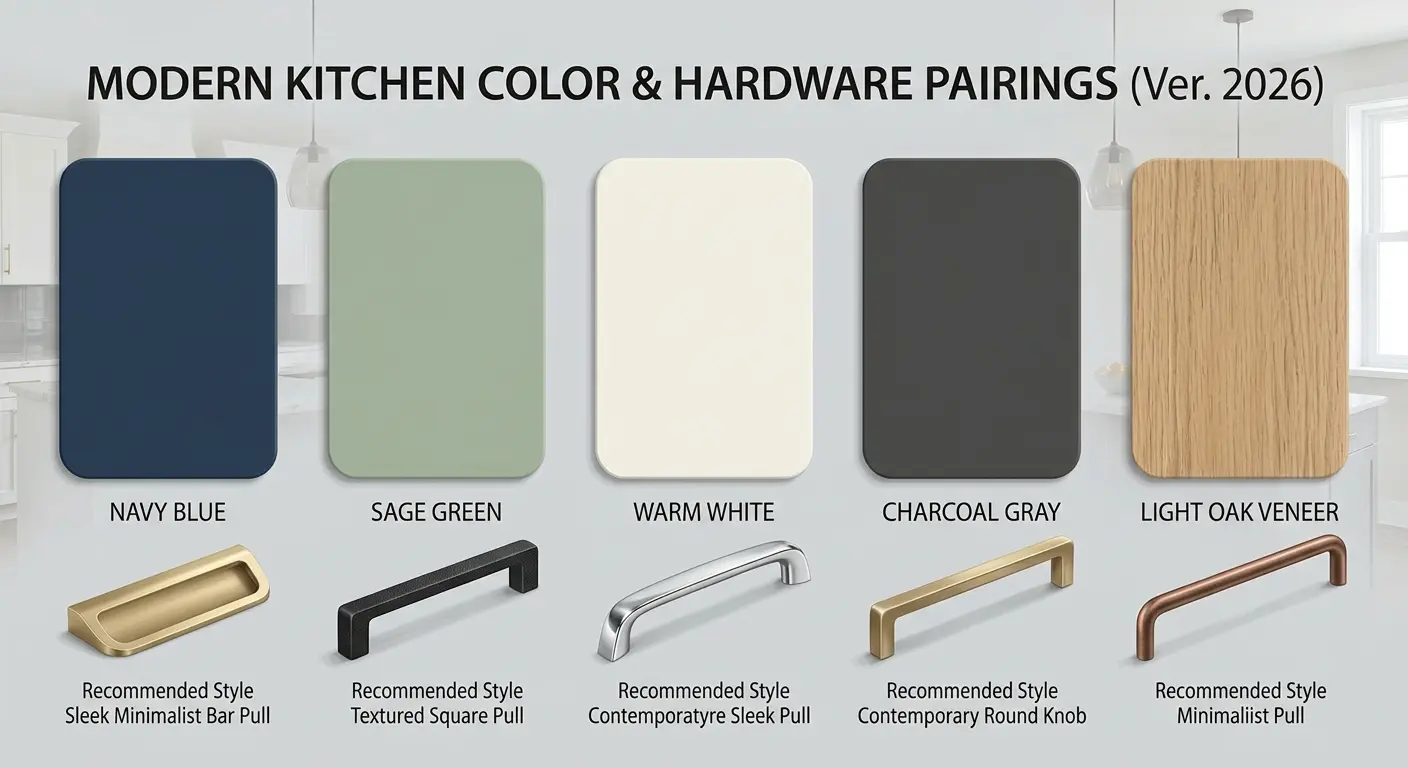
When refacing your cabinets, you can lean into several popular design directions. Clean shaker profiles offer timeless appeal for minimalist spaces. Pairing dark lower cabinets with bright upper doors creates visual height, a concept you can explore further in our guide on blue grey two tone kitchen cabinets. Bringing natural wood textures back into contemporary spaces also remains a major trend, similar to the palettes highlighted in our kitchen cabinet colors 2026 overview.
Frequently Asked Questions
Do you have to remove countertops to reface cabinets?
Countertops typically stay right where they are during refacing because the work focuses entirely on the exterior frames, doors, and drawer fronts rather than the supporting structures underneath.
Do refaced cabinets peel?
Thermofoil materials can peel near high-heat appliances if exposed to heavy steam or low-quality glue, but properly installed wood veneer and laminate finishes rarely peel under normal kitchen conditions.
What is the difference between refacing and refinishing?
Refacing replaces your old doors and drawer fronts entirely while wrapping the exterior frames in matching skins, whereas refinishing keeps your existing doors and simply sands and repaints or restains them.
How long does cabinet refacing take?
Professional installation usually requires only 3 to 5 days of active on-site work, though total project timelines vary based on custom door fabrication schedules.
Can you reface cabinets yourself?
Homeowners with woodworking experience can handle refacing using pre-cut veneer kits and specialized tools, though achieving professional-grade edge banding requires significant patience.
Is refacing cheaper than replacing?
Refacing generally costs significantly less than a full cabinet replacement because it reuses your existing structural boxes and avoids demolition labor.
Planning Your Next Steps
Upgrading your kitchen through refacing provides a practical way to refresh your home without enduring weeks of disruptive construction or massive expenses. Evaluate your box condition, pick a style that matches your workflow, and review your financial estimates carefully before moving forward. To understand how this project compares to other options, take a look at our complete overview on how much is it to redo a kitchen.

