

Most problems with refaced cabinets come from weak boxes underneath, or from cheap materials and a rushed installation. Refacing itself isn’t the issue. When the job is done right on sound cabinets, it holds up well.
Below are the seven problems homeowners run into most often, why each one happens, and what you can do before, during and after the project to avoid it. If you’re still deciding whether refacing is the right move, start with our explanation of how refacing works.
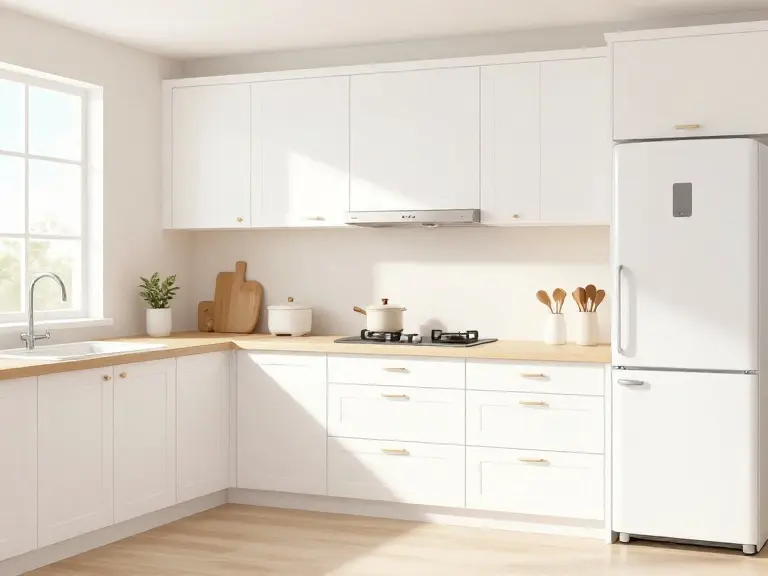
What Are the Most Common Problems With Refaced Cabinets?
Here’s the quick version. Each problem is covered in detail further down.
| Problem | Usually caused by | How to avoid it |
|---|---|---|
| Peeling or bubbling surfaces | Heat and steam on thermofoil, weak adhesive, poor edge banding | Pick the right material for the spot, ask about adhesive and edge sealing |
| Crooked or uneven doors | Bad measurements, cheap hinges, boxes that aren’t level | Adjustable European hinges, measure twice, check the boxes first |
| Swollen or soft cabinet boxes | Old water damage hidden under the new surface | Inspect boxes before you order anything |
| Mismatched colors and grain | Doors, veneer and side panels sourced separately | Order samples, use one supplier |
| Layout still doesn’t work | Refacing only changes surfaces | Decide on layout first, reface second |
| Warranty surprises | Vague or verbal promises | Get coverage in writing |
| DIY errors | Edge banding, veneer bubbles, alignment | Be honest about your skill level |
Why Do Refaced Cabinets Peel?
Peeling is the complaint people search for most, and it usually traces back to one of the causes below.
Heat and steam on thermofoil
Thermofoil is a vinyl film that’s heat-pressed over MDF. It looks smooth and painted, but vinyl and heat don’t get along. Surfaces next to the oven, dishwasher, toaster or coffee maker take the most punishment. Steam escaping from a dishwasher at the end of a cycle is a common culprit, because it hits the same cabinet edge day after day.
If your kitchen has a lot of heat near cabinet fronts, wood veneer or high pressure laminate is usually the safer choice for those spots.
Weak adhesive and sloppy edges
Veneer and laminate rely on the bond between the skin and the box. If the frame wasn’t cleaned and degreased first, the glue can’t grab properly. Kitchens are greasy places, even when you clean often, so prep matters more here than in most rooms.
Edges are the other weak point. A poorly sealed edge lets moisture creep underneath, and that’s where bubbles and lifted corners begin.
Moisture around the sink
Cabinets under and beside the sink deal with splashes, leaks and humidity. Even a good surface can lift if water keeps getting to an unsealed edge. Check the sink base cabinet carefully before you commit to refacing it.
How to avoid it:
- Ask the installer which material they plan to use near heat sources and why
- Ask what adhesive they use and whether edges are sealed and banded
- Ask about a heat shield or steam deflector next to the dishwasher
- Wipe up water around the sink promptly
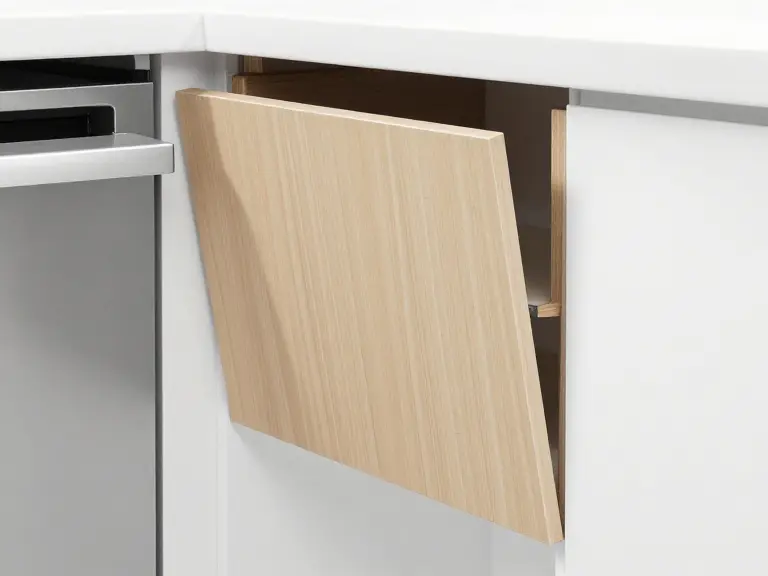
Why Do Doors End Up Crooked or Uneven?
Uneven gaps are the first thing your eye catches in a refaced kitchen. They tend to come from a few common sources.
Measurement errors. New doors are custom made. If measurements are off by even a small amount, you’ll see it in the gaps and overlaps.
Cheap hinges. Basic hinges can’t be adjusted much, and they loosen over time. Doors then sag and rub.
Boxes that aren’t level or square. This is especially common in older homes, where floors and walls have settled. New doors can only be as straight as what they hang from.
How to avoid it:
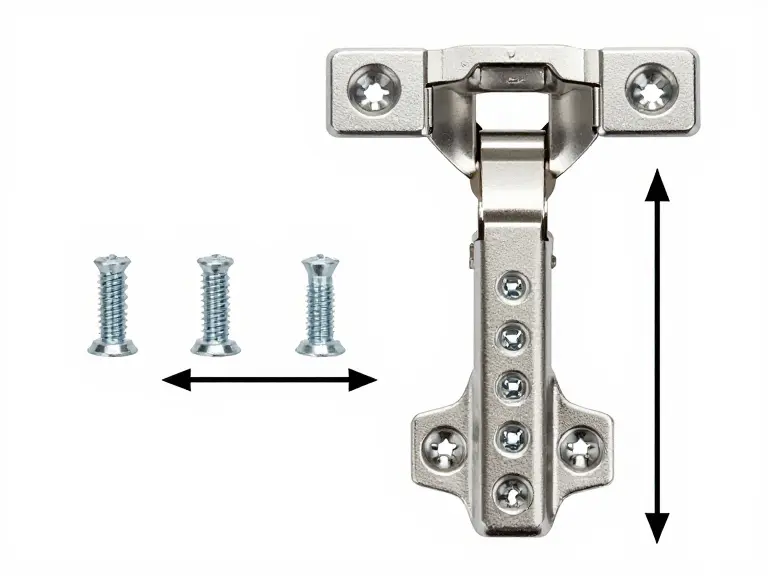
- Ask for adjustable European style hinges. They let you move a door up, down, in and out, and side to side with a screwdriver
- Check that the installer measures each opening rather than relying on one standard size
- Look at your boxes with a level before the project starts
If a door already looks off, try adjusting the hinge screws first. Many “crooked door” problems need five minutes with a screwdriver, not a redo.
Can Refacing Hide Problems With the Cabinet Boxes?
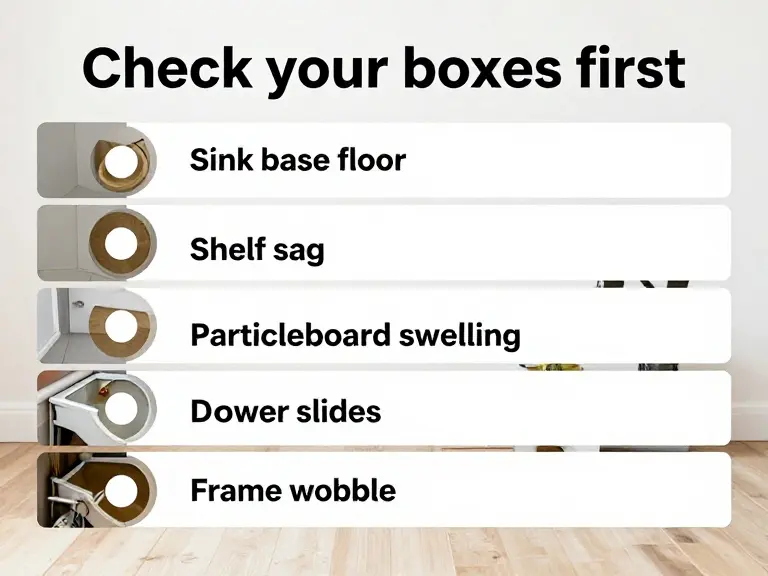
Yes, and this is the most expensive mistake on the list. A new surface can sit on top of damage without fixing it.
Watch for:
- Water damage. Swollen bottoms, dark staining, or a musty smell in the sink base
- Particleboard that has absorbed moisture. It crumbles and can’t hold screws well
- Sagging shelves or loose frames. New doors add weight and will stress weak joints
- Failing drawer slides and boxes. The fronts look new, but the drawers still stick
Plywood and good quality MDF boxes are generally solid candidates for refacing. Water-damaged particleboard usually isn’t.
A quick test: press on the underside of the sink cabinet floor with your thumb. If it feels soft or gives way, stop and get it looked at before spending money on a new surface. Our cabinet refacing checklist walks through the full inspection.
Why Do Some Refaced Kitchens Look Mismatched?
You can end up with doors that don’t quite match the frame or side panels. The grain direction, color tone and sheen can all drift apart, especially when doors come from one source and veneer from another.
Lighting makes it worse. A color that looks matched in a showroom can look different under your kitchen lights.
How to avoid it:
- Ask for physical samples and view them in your own kitchen, morning and evening
- Have doors, veneer and side panels come from the same supplier and finish batch where possible
- Think about the exposed sides and the toe kick, since those are easy to forget
If you’re choosing a style, our ideas on white oak kitchen cabinets and blue grey two tone cabinets can help you narrow the look before you order samples.
Will Refacing Fix Storage or Layout Problems?
No. Refacing changes surfaces only. The boxes stay where they are, the same size and depth.
That means you’ll still have:
- The same awkward corner cabinet
- The same cramped walkway or missing counter space
- The same shelf depths and drawer sizes
If the layout is what bothers you, refacing will leave you disappointed. In that case, replacing the cabinets is likely the better route, even though it costs more. Some upgrades inside the boxes, like pull-out trays or soft-close slides, can be added during refacing and fix some storage frustrations without touching the layout.
What Should You Ask a Contractor Before You Sign?
This is where the warranty matters. Before signing, get answers in writing to questions like these:
- What does the warranty cover: the veneer, the adhesive, the doors, the hinges?
- How long does each part of it last?
- Who handles repairs, and how quickly?
- What material will be used around the stove, dishwasher and sink?
- Can I see addresses or references from recent refacing jobs?
- Is the estimate itemized, including hardware and drawer fronts?
- What’s the lead time for custom doors?
- Is demolition or disposal of old doors included?
Cost is a separate question. Refacing is generally cheaper than replacing cabinets, though prices vary a lot by kitchen size and materials. Our cabinet refacing cost breakdown covers current estimates. Get at least two or three quotes so you can compare what’s actually included.
Can You Avoid Most Problems by Doing It Yourself?
Not really. DIY removes the labor cost, but it adds risk in the exact places where problems already start.
- Edge banding is harder than it looks and a common source of lifted corners
- Veneer bubbles happen when adhesive is applied unevenly or the surface isn’t clean
- Door alignment depends on accurate measurements, and a mistake on a custom door means reordering it
- Time. A kitchen can take several weekends for a first timer
DIY can work if your boxes are in good shape, you’ve worked with veneer or laminate before, and you can accept a less than perfect result. If that’s you, take time to review a guide on DIY cabinet refacing before buying anything. For a simpler and more forgiving project, painting is also worth comparing.
Is Refacing Still a Good Idea?
For the right kitchen, yes.
Refacing makes sense when:
- Your boxes are solid and dry
- You like your current layout
- You want a new look without the cost and mess of replacing everything
- You’re willing to pick materials based on where they’ll be used, not just on price
Skip it, or look at replacing, when:
- Boxes show water damage or crumbling particleboard
- The layout or storage is the real problem
- You only want the cheapest possible fix, in which case painting may suit you better
Many problems on this list are avoidable. The ones that aren’t, such as layout limits, are better to know about before you start.
How Do You Keep Refaced Cabinets Looking Good?
A few habits make a real difference, especially around heat and water.
- Wipe up spills and splashes right away, particularly near the sink and along door edges
- Use a soft cloth and mild cleaner, and skip abrasive pads that can scratch or dull the surface
- Check hinge screws once or twice a year and tighten them if a door starts to sag
- Follow the care instructions from your installer or the door manufacturer, since they differ by material
Frequently Asked Questions
Do refaced cabinets peel?
They can, especially thermofoil near heat and steam or surfaces installed with weak adhesive. Properly prepared wood veneer and laminate peel much less often. Material choice and installation quality make the biggest difference.
How long do refaced cabinets last?
It depends on the materials, the installation and how hard the kitchen is used. Ask your installer what the warranty covers and for how long, and get it in writing.
Can refaced cabinets be repaired?
Often, yes. Loose hinges can be tightened, and small lifted edges can sometimes be re-glued. Widespread peeling usually means replacing the affected doors or panels.
Is refacing worse than painting?
Not worse, just different. Painting keeps your existing doors and costs less, but doesn’t change door style. Refacing gives you new doors and a wider range of looks, but costs more and depends on better prep.
Can you reface over damaged cabinets?
You shouldn’t. Refacing sits on top of whatever is underneath. Damaged or moisture-swollen boxes should be repaired or replaced first.
What’s the biggest mistake people make when refacing?
Skipping the box inspection. A new surface on weak boxes looks great for a few months, then the problems come back.
Before You Sign Anything
Spend an hour on your boxes before you spend a dollar on doors. Press on the sink base, look for swelling, and check that shelves and slides still work. Then ask two or three contractors the questions in this article and compare their answers.
If the cabinets pass and the quotes make sense, refacing can work very well. For a bigger picture of what a full kitchen update might cost, see how much it is to redo a kitchen.

